- 10/6/2026
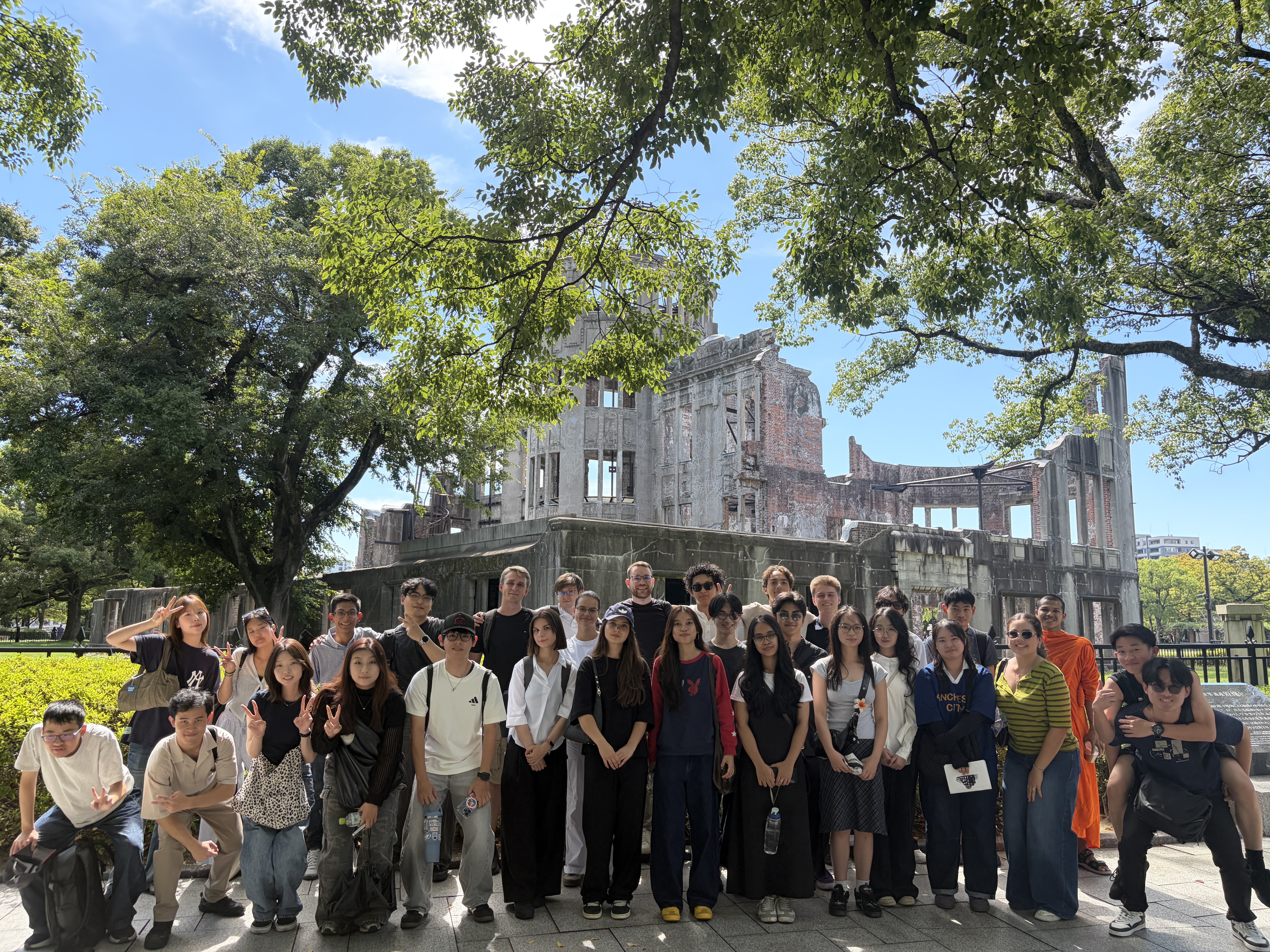
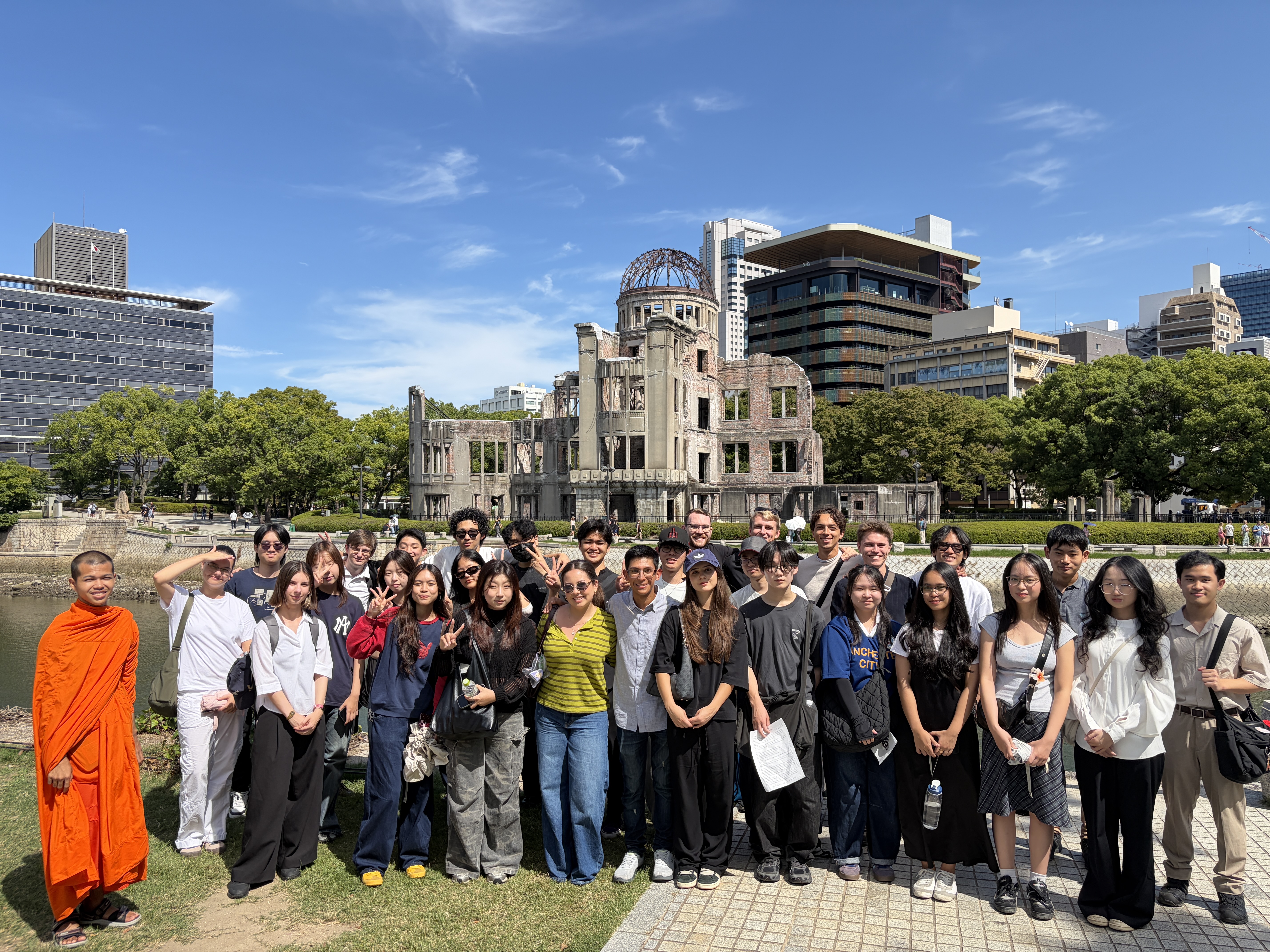
On September 24, students from “ViVA,” the Intercultural Communication Group at Hiroshima University of Economics, and 23 short-term exchange students who had just arrived in Japan from 12 countries and regions visited Hiroshima Peace Memorial Park to take part in the “Peace Park Tour.”
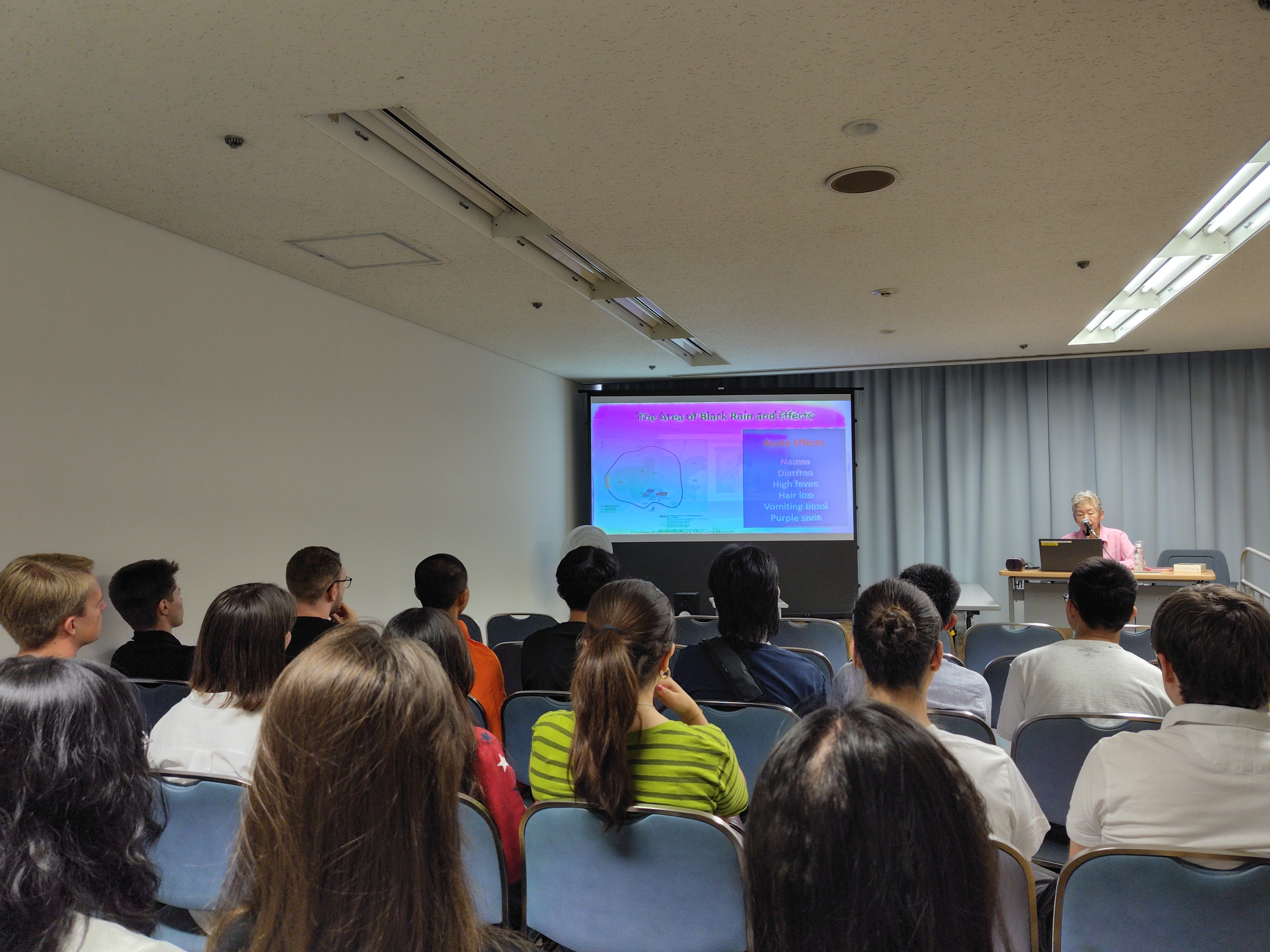
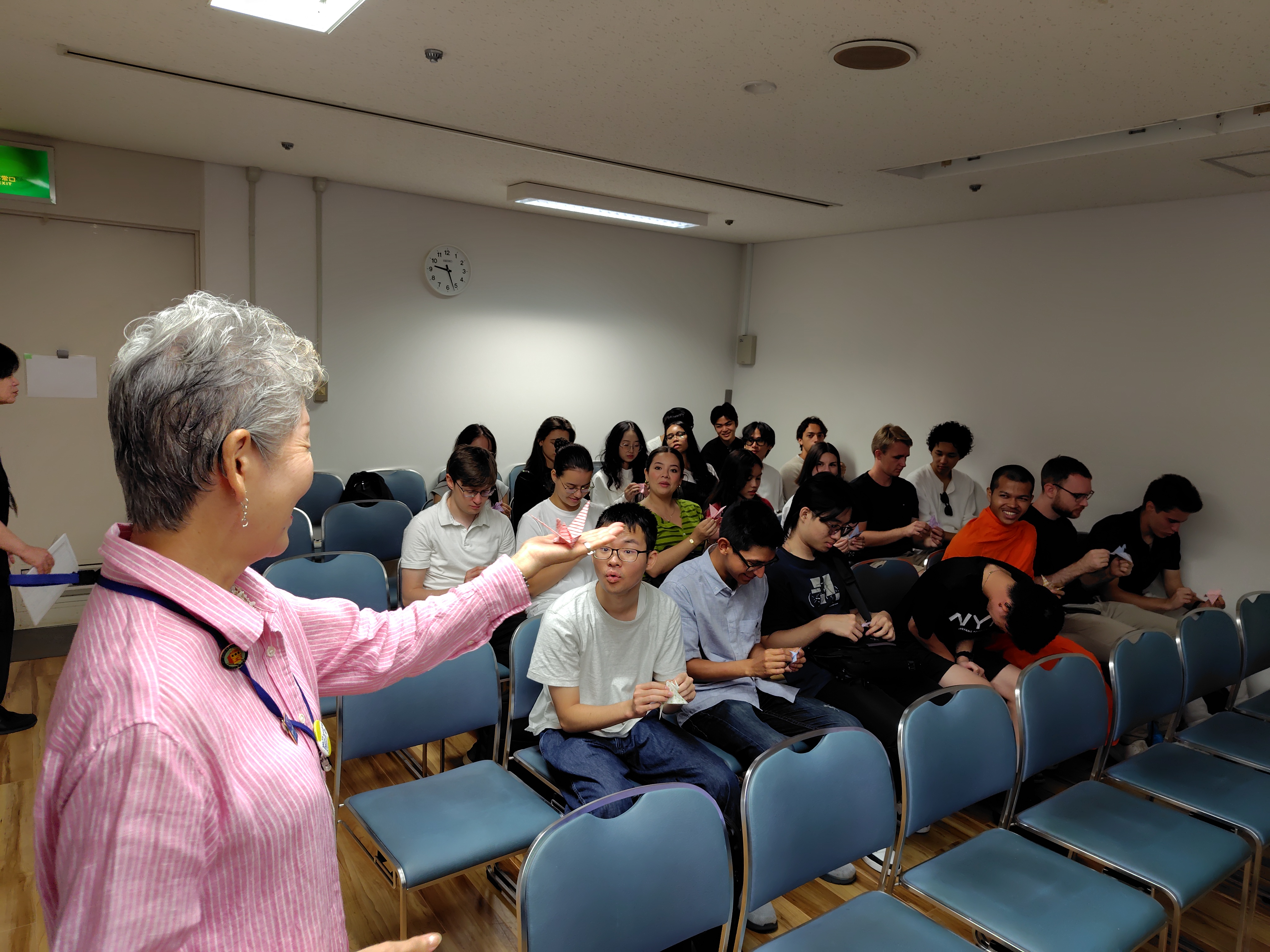
During this tour, we first attended a “Lecture on the Experiences of Atomic Bomb Survivors,” designed to convey the survivors’ experiences and their hopes for peace to the next generation. The participating students listened intently to every word. Unlike the history they learn from textbooks and videos, coming into direct contact with these firsthand accounts gave the students an opportunity to reflect on “what happened in Hiroshima.”
After the lecture, the students toured the Hiroshima Peace Memorial Museum. As they carefully examined each of the exhibits, personal belongings of the deceased, and photographs on display, they learned what happened in Hiroshima as a result of the atomic bombing and how those events affected people’s lives.
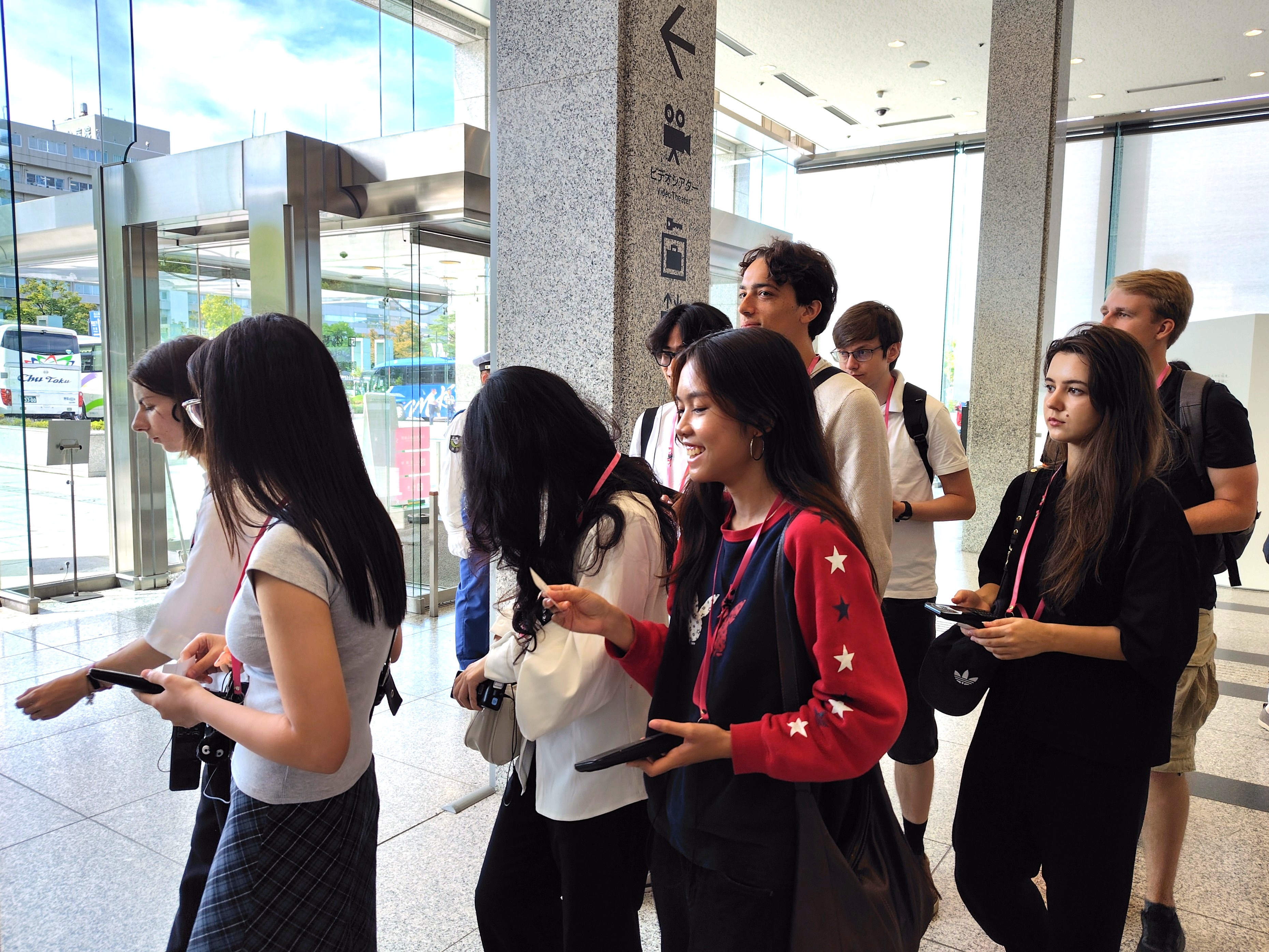
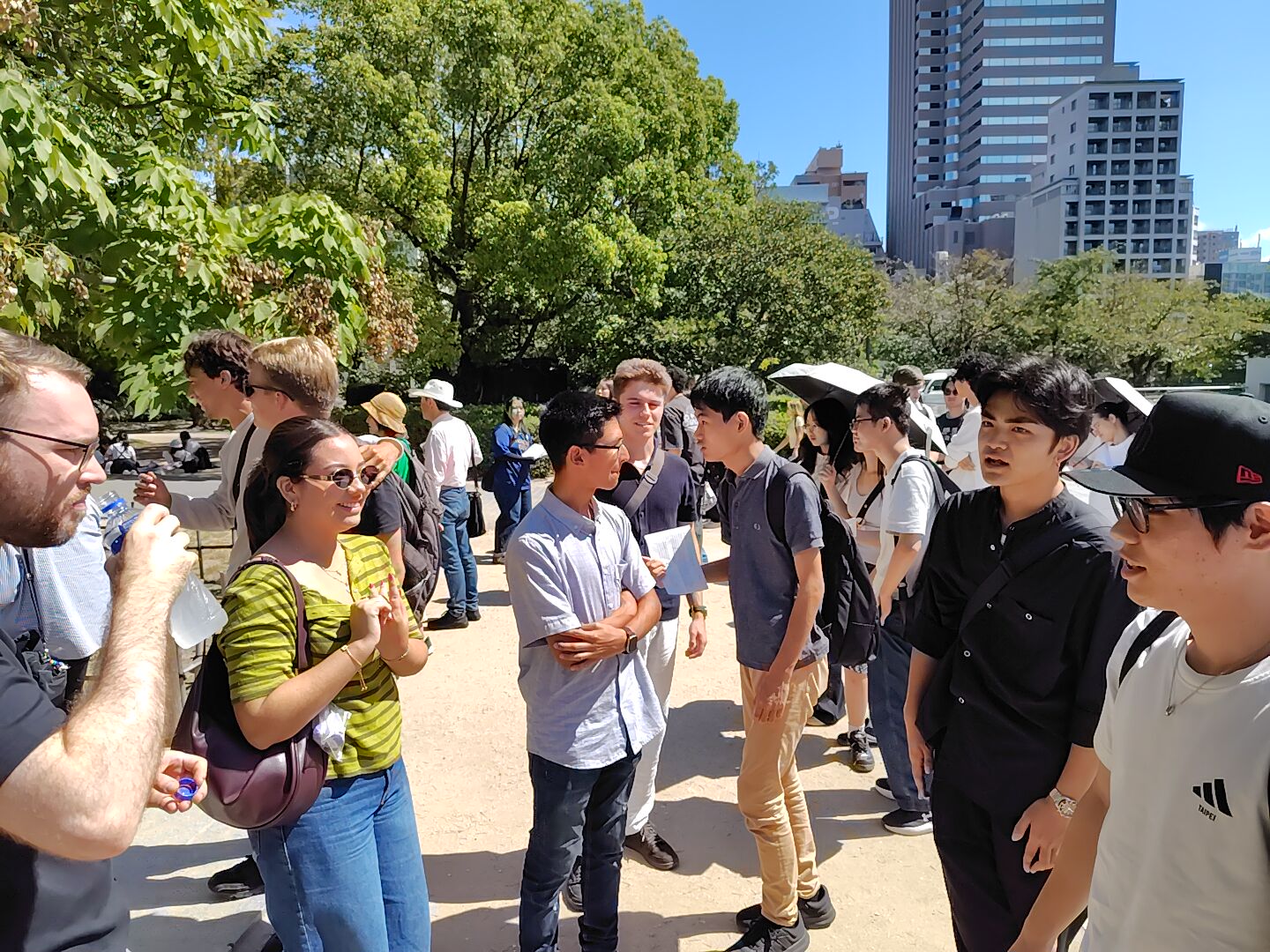
Joanna Matyszek, a student from Poland who is studying at Hiroshima University of Economics as a short-term exchange student, reflected on this peace education program and shared her candid thoughts.
“To be honest, until now, I didn’t truly understand the magnitude of this tragedy, its lasting impact, or the profound suffering that so many people have endured over the years. Both while listening to the lecture and while touring the museum, I had goosebumps the entire time. I felt a strong sense of the helplessness and despair brought about by this war.”
After touring the museum, the students split into small groups and visited the memorials and monuments within the Peace Memorial Park. At each location, the ViVA students took turns acting as guides, explaining the sites, answering questions from international students, and sharing their thoughts with one another. The students challenged themselves not only to convey information but also to reflect on peace in their own words and “communicate” their thoughts to others.
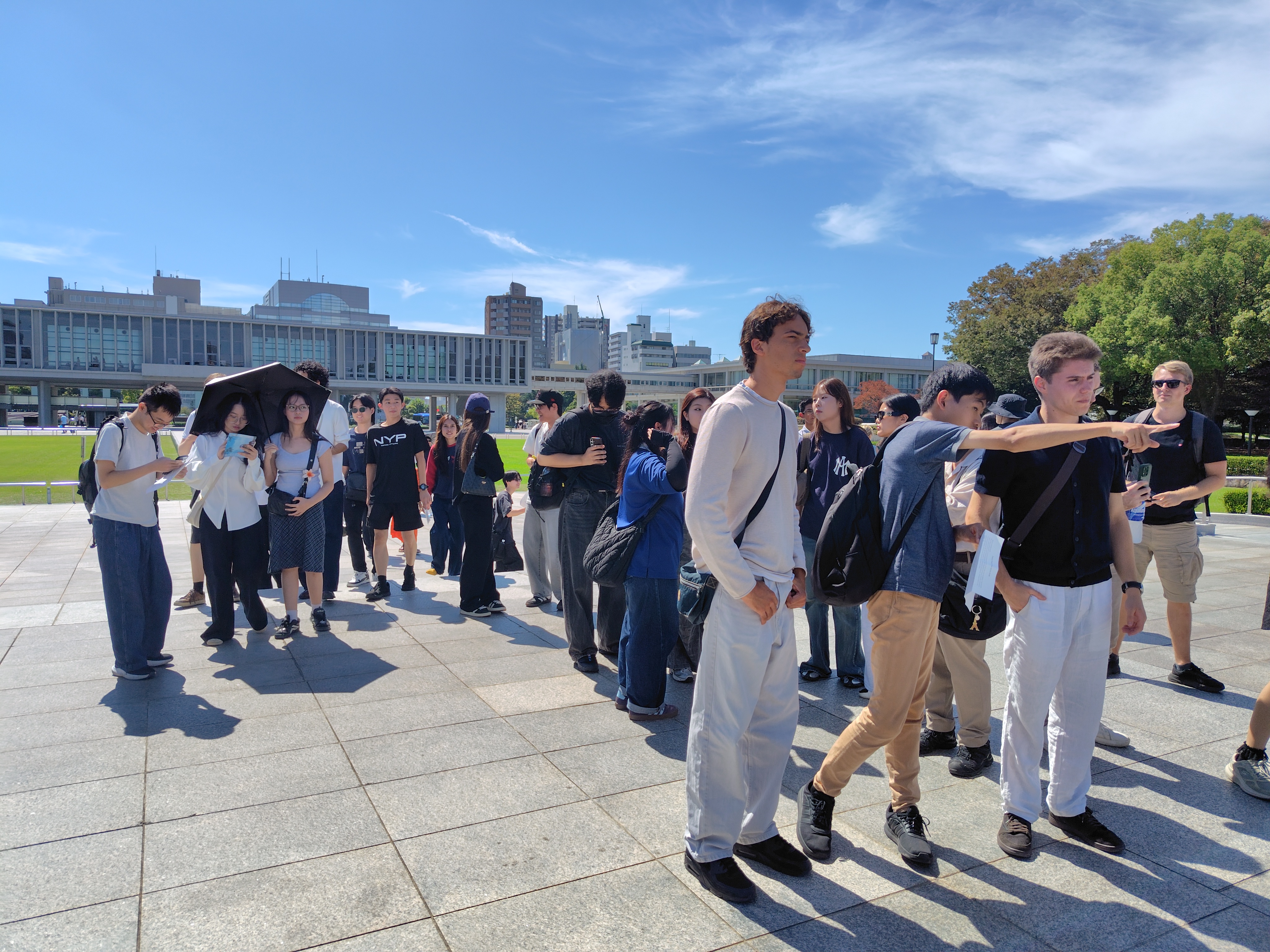
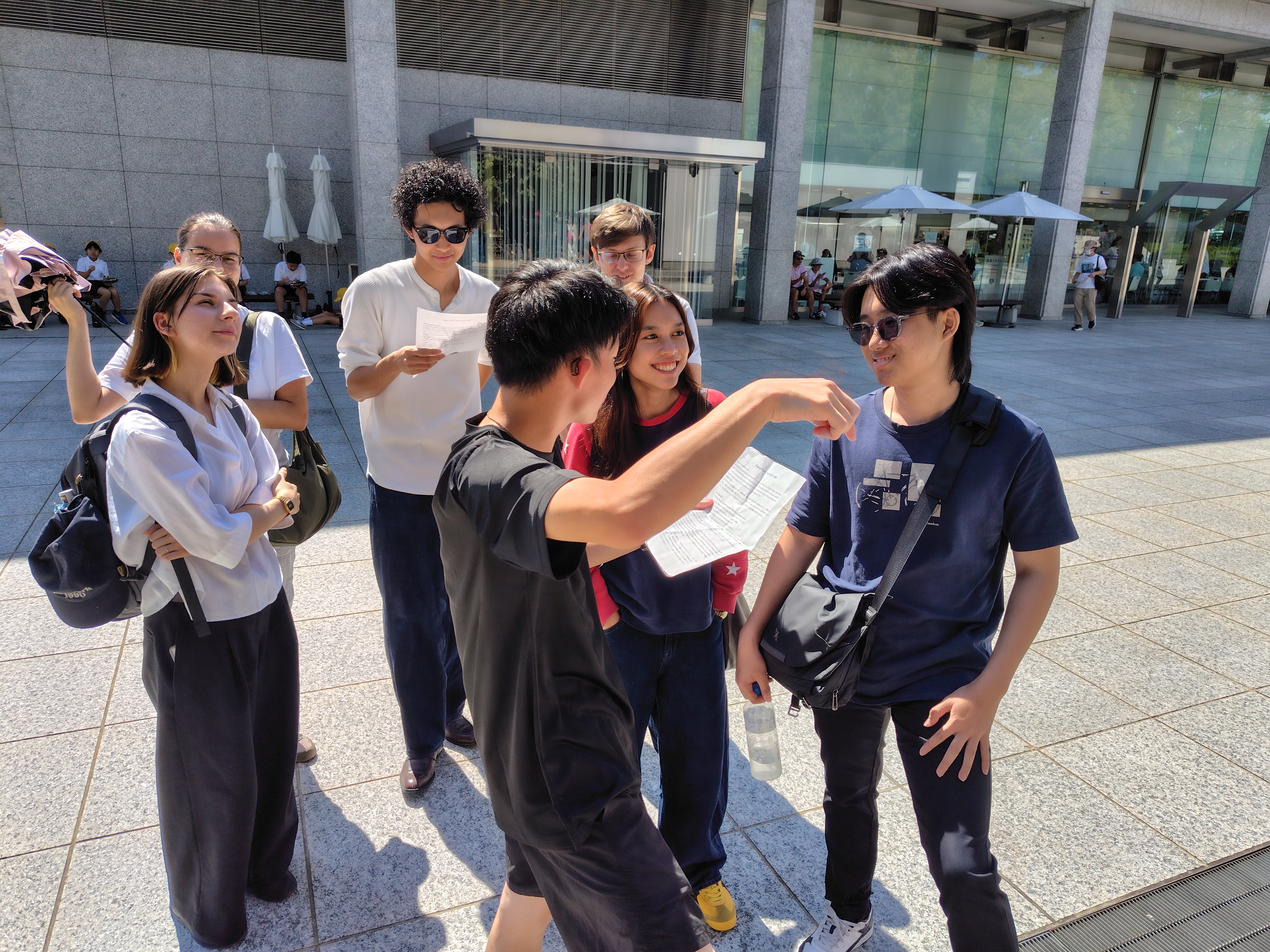
Through this peace education program, the students reflected on more than just past events.
Joanna shared her desire to convey what she learned in Hiroshima to her family and friends.
“We must keep these memories etched in our hearts forever. And just as those who endured suffering never lost hope, I believe we, too, must never lose hope for a better tomorrow and continue to work for peace—at the very least, starting from our own small hometowns.”
Learning about peace is not something that ends in Hiroshima...
Our university will continue to value opportunities for students to engage with various global issues through international exchange, think for themselves, take action, and to “communicate” what they have learned.